
Successful marriages and families are established and maintained on principles of faith, prayer, repentance, forgiveness, respect, love, compassion, work, and wholesome recreational activities.
Our free time should be used wisely to create the best possible life, to promote individual growth, and strengthen families. Meaningful recreation does not just happen; it must be prepared for, cultivated, and privately defended.
An inordinate amount of time is spent on electronic media which can actually cause us to become disconnected to one another.
Wholesome family recreation can connect us to nature, help us be more healthy through exercise, and give us an outlet from the stress of work. It can also strengthen relationships and reduce negative emotional and spiritual consequences. Wholesome recreation can also alleviate depression, anxiety, and discontent.
What is contemporary happiness?
It is a transient state of feeling well. It is characterized by the pursuit of comfort, pleasure, and wealth in the form of material goods. Pleasure, when sought for its own sake and as an end in and of itself, is not useful in finding happiness.
Although strong positive emotions that come from pleasurable activities are highly desired, they are often very short lived.
Example: Picture being out in the freezing cold and how good it feels to come stand by a warm fire. After an hour or so, the fire doesn't feel that as good as it did at the beginning. In fact, it might even become uncomfortable.
Research shows that seeking for more comfortable or pleasurable circumstances is likely to only bring temporary happiness.
Activities that require personal effort may not seem to produce the same degree of pleasure as relaxing activities, such as watching television, but since they consist of total engagement and loss of self-consciousness, they are often produce feelings that are more meaningful.
 Gratification results when we invest rather than consume. The following suggestions build knowledge, relationships, memories, and skills:
- Read to children
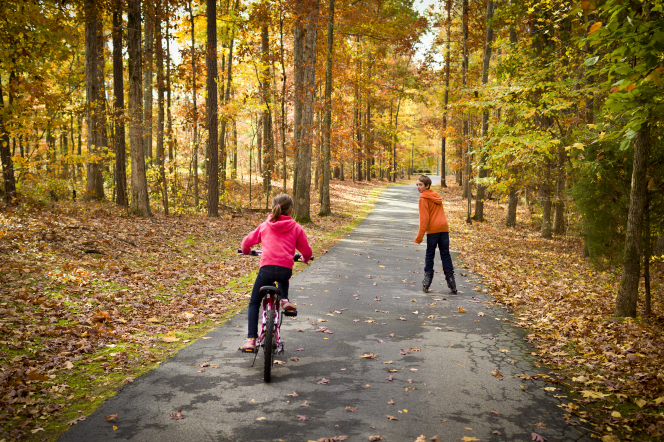
- Teach children to ride a bike
- Play a board game
- Garden together
- Go backpacking
These activities promote social and psychological growth.
An Experiment - Mall kids vs. Chore kids
The mall kids went to the mall after school to hang out, flirt, and play video games. The chore kids went home after school to do chores and homework or stayed after school for sports, music, or art.
The chore kids thought the mall kids were having more fun, but they scored higher on measures of quality of life and well-being.
Activities that appear to be fun or pleasurable do not necessarily lead to a good life. The chore kids had structure in their life that required self-discipline which resulted in a sense of identity and accomplishment.
Likewise, the quest for material goods to bring happiness to the family can actually cause stress to the family if debt is involved. The pursuit of toys can be like running on a treadmill going nowhere.
There is little to no relationship between money and happiness. There are poor people who are very happy--just visit Africa--and rich people who are unhappy. Those who place high importance on material goods over values like family relationships and community are likely to be unhappy. Philosophers, psychologists, and religious leaders agree: the pursuit of money as a means of happiness is misguided.
Extrinsic vs. Intrinsic
It is common today for children to want a reward for this and that. If they clean their room, they want a treat. If they had to pull weeds, they need a reward. Treats and rewards have extrinsic value. It is important to teach the value of intrinsic rewards. When a child cleans his room, an intrinsic reward is the feeling he has when he walks in and notices how clean it looks. Intrinsic rewards are more meaningful and bring lasting happiness compared to an extrinsic reward that is quickly eaten--such as a candy bar.
Is Happiness what it's Cracked Up to Be?
Most of us do not feel--and maybe don't want to feel--happy all of the time. We want to feel different emotions such as fear, sadness, and anger. Why else would movies and operas be so popular? There is something about experiencing these emotions that is appealing to people. "The true meaning of being alive is not just to feel happy, but to experience the full range of human emotion" (Deci and Flaste).
Do not worry if you do not always feel happy. Even Nephi stated that his family "lived after a manner of happiness" which to me, means that they were sometimes happy and sometimes not.
What keeps us from enjoying recreational activities with our families?
- Time constraints--Overworking of parents and overscheduling of children result in less time together as a family. Elder Dallin H. Oaks warned parents about families being so busy that they can no longer eat dinner together. He said, "What your children really want for dinner is you."
- Too much escapist recreation--Activities such as surfing the Internet, texting, watching television and playing video games keep us from interaction with our family members.
- Addictions to escapist entertainment--mobile phones, iPods, and the Internet. One Halloween night I opened the door for trick-or-treaters and saw dads walking down the sidewalk looking down at their phones. They were like zombies; all of them! Instead of watching their children enjoy collecting candy at every door, they were watching the lit up screen oblivious to life around them.
Did you know. . .
- Nature experiences have a direct influence on physical health. Simple contact with nature, such as watching fish in an aquarium, working in a garden, or having a view of nature through a window can reduce blood pressure, increase survival after a heart attack, and increase speed of recovery after surgery.
- Adults and children experience a reduction in stress in the presence of nature.
- When families are together for an extended time in the outdoors, they are able to reconnect with each other.
- It takes effort to plan outdoor activities, but they are the best way to overcome isolation that technology promotes.
- Children develop habits early in their lives and keep them throughout their life. Parents who want their children to become flexible and curious should spend quality playtime with them and model good sportsmanship, kindness, and fair play.
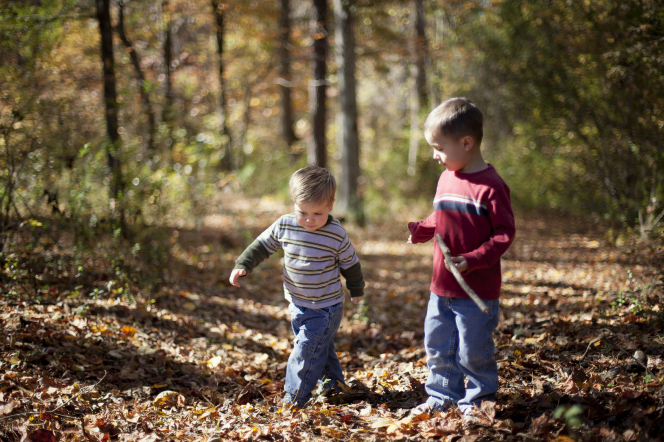
There are 3 types of leisure: parallel, joint, and independent.
Parallel activities involve multiple members of the family doing the same thing, but not interacting, such as watching television.
Joint activities involve high levels of communication and interdependence such as canoeing, tennis, chess, and rock climbing.
Independent activities are those undertaken alone by individuals.
Joint activities lead to the highest marital satisfaction. Parallel activities have a small positive effect on marital satisfaction, while independent activities may have a negative effect.
 Try this:
Joint activities lead to the highest marital satisfaction. Parallel activities have a small positive effect on marital satisfaction, while independent activities may have a negative effect.
 Try this:
- Plan to add a recreational activity to your weekly schedule.
- Think of ways to enjoy nature during the day.
- Limit technology among family members. Teach respect by putting phones away when other people are around.
Adapting to Children and Youth
Take care that your use of media does not dull your sensitivity to the Spirit or interfere with your personal relationships with others. Spending long periods of time using the Internet or a mobile device, playing video games, or watching television or other media can keep you from valuable interactions with other people. Be careful that your use of social media does not replace spending time with your family and friends. (For the Strength of Youth)
Internet Safety Tips
- Get a parent’s permission before you use the
Internet.
- Use the Internet only when other people—like your parents—are around.
- Unless a parent gives you permission, never give out your real name, age, address, phone number, or other personal information.
- Bookmark your favorite websites so you don’t have to search for them.
To escape from an inappropriate website:
- 1. Turn off the screen or the computer.
- 2. Tell an adult.
- 3. Never visit the site again.
- 4. If someone shows you an inappropriate site, don’t be afraid to walk away.
If you are looking for a safe, fun website to visit, check out lds.org/friend. We have stories, coloring pages, videos, slide shows, games, and more.
https://www.lds.org/friend/2011/06/crash-and-tell/internet-safety-tips?lang=eng&query=internet

No comments:
Post a Comment